Harnessing Generative AI in Creative Workflows: A Technical Deep Dive
Introduction
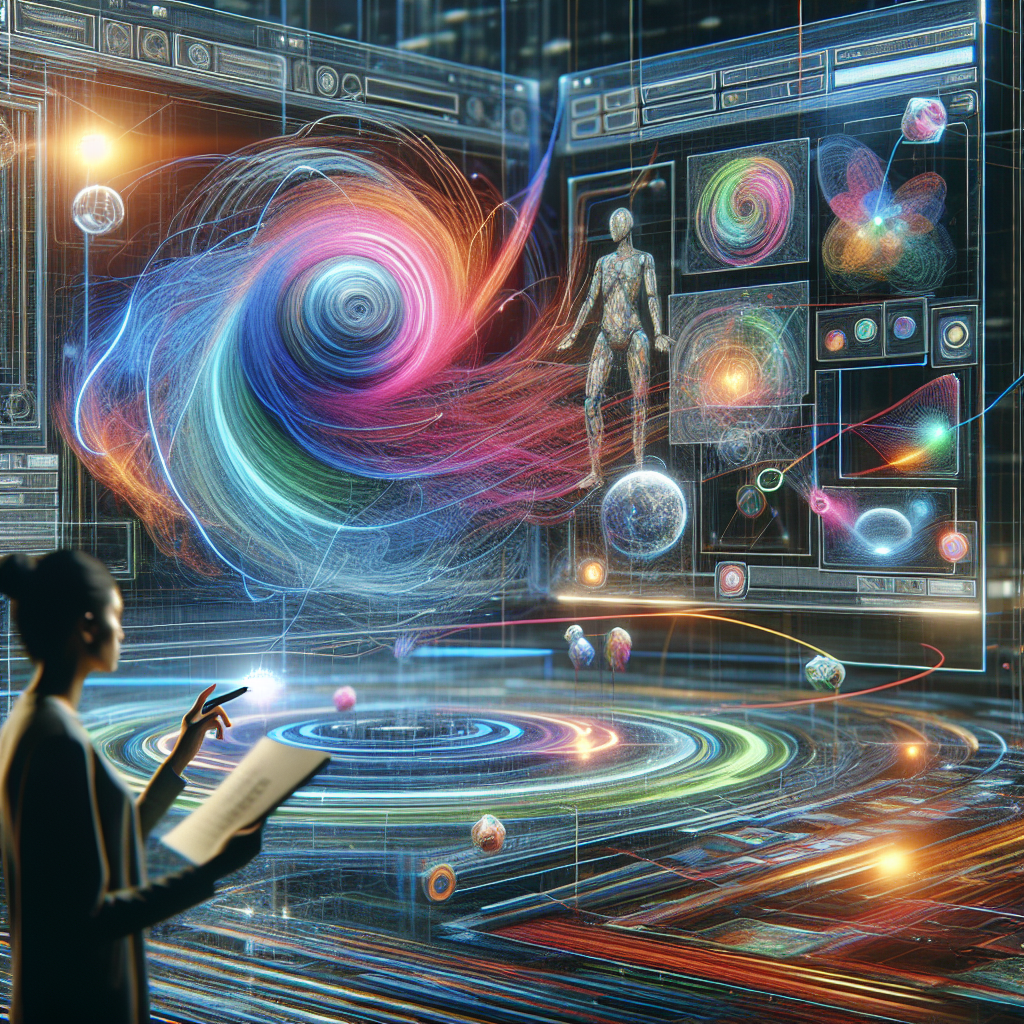
In an era where creativity intersects with technology, Generative AI has emerged as a pivotal innovation. This technology isn't just automating mundane tasks but is now spearheading the generation of creative content—ranging from art and music to complex code and design elements. This article dives deep into how generative AI can impact creative workflows, optimizing output and fostering innovation in fields that rely on creativity and design thinking.
Key Takeaways
- Understand the core concepts of generative AI within creative sectors.
- Insight into practical applications and real-world implementation.
- Best practices and considerations for integrating generative AI into existing workflows.
Understanding Generative AI in Creative Contexts
What is Generative AI?
Generative AI refers to the subset of artificial intelligence models that can generate new content after learning from a dataset. Techniques like Generative Adversarial Networks (GANs) and transformers are often employed to produce original outputs that can mimic human-created content.
Impact on Creative Industries
Generative AI has the potential to revolutionize industries by providing tools that can:
| Impact | Description |
|---|---|
| Efficiency | Automation of repetitive and time-consuming tasks |
| Innovation | Generating novel ideas and designs that push creative boundaries |
| Personalization | Creating user-specific modifications at scale |
Practical Applications and Use Cases
Art and Design
Artists and designers are utilizing AI to push the boundaries of traditional media and create intricate and personalized artworks. Programs like DALL-E and Artbreeder are notable examples.
// Example of using a generative model in a digital art application
const design = generateArt({
  style: 'futuristic',
  colorScheme: 'neon',
  complexity: 'high'
});
console.log(design);
Music Production
AI-driven tools like Magenta by Google uses machine learning to help produce music, offering new layers of interaction and reinterpretation of musical elements.
Content Writing
Generative AI models, particularly those based on large language models like GPT-3, provide tools for content creators to draft articles, scripts, and even code, as demonstrated below:
// Example of GPT-3 generating promotional content
const content = generateText({
  product: 'eco-friendly sneakers',
  tone: 'inspirational'
});
console.log(content);
Architecture and Engineering
From generating design variations to solving complex structural problems, AI is being integrated into the CAD tools used by architects and engineers for more efficient workflows.
Best Practices for Integrating Generative AI
Data Quality and Ethics
Ensure the training data is diverse and ethically sourced to avoid biases in generated outputs. Understand the origin and nature of the data to keep outputs free from inadvertent stereotypes or inaccuracies.
Human-AI Collaboration
Leverage AI as a tool to augment, not replace, human creativity. Successful integration sees humans and AI as co-creators, enhancing the creative process by leveraging AI’s speed and humans’ unique contextual insights.
FAQ
-
What is the role of AI in creativity? AI acts as both a tool and collaborator, providing scalability and new perspectives in creative processes.
-
Can AI replace human creativity? While AI can supplement and enhance creative processes, it does not replace the nuanced understanding and emotional depth humans bring to creative work.
-
How can I start integrating AI into my creative workflows? Begin by identifying repetitive tasks that can be automated and explore AI tools that are tailored to your specific creative needs.
Further Reading
- Accessibility First Building Inclusive Web Apps
- Advanced Typescript Patterns For 2026
- Artificial Intelligence In Healthcare
- Building High Performance Apis With Grpc
- Building Resilient Distributed Systems
- Building Small Tools
- Comprehensive Guide To Rag
- Cybersecurity Trends Ai Powered Threat Detection
- Deep Learning On The Browser With Tensorflowjs
- Devsecops Integrating Security Into Cicd
- Docker Compose Vs Dockerfile
- Docker Intro
- Edge Ai Running Models On Low Power Devices
- Ethical Ai Governance And Compliance
- Event Driven Architecture With Apache Kafka
- Finops Managing Cloud Costs Effectively
- Generative Ui Ai Driven Interfaces
- Go Vs Rust Choosing The Right System Language In 2026
- Graph Neural Networks Gnns In Practice
- Graphql Federation Scaling Your Api Layer
- Image Conversion Guide
- Implementing Rag Retrieval Augmented Generation At Scale
- Introduction To Ebpf For Observability
- Introduction To Rust Programming
- Jwt Authentication Guide
- Layout.tsx
- Linear Regression Guide
- Mastering Kubernetes Operators For Custom Automation
- Micro Frontends Pros And Cons
- Mobile First Design In The Age Of Foldables
- Next Gen Frontend React 19 And Beyond
- Nuxt Vs Next
- Oauth Guide
- Optimizing Nextjs For Performance
- Page.tsx
- Platform Engineering Vs Devops
- Privacy Preserving Tech Homomorphic Encryption
- Prompt Engineering As A Core Developer Skill
- Prompt Engineering Guide
- Quantum Machine Learning Explained
- Rust For Web Developers
- Secure Coding Best Practices For Ai Generated Code
- Server Side Rendering Ssr Vs Static Site Generation Ssg In 2026
- Sustainable Software Engineering Green Coding
- Testing Strategies For Microservices Architecture
- The Evolution Of Serverless Computing In 2026
- The Future Of Database Technology Newsql Vs Nosql
- The Future Of Open Source Ai Models
- The Future Of Renewable Energy
- The Impact Of 6g On Mobile Development
- The Role Of Developer Experience Dx In Engineering Culture
- The Semantics Of Semantic Search
- The State Of Web3 In 2026 Beyond The Hype
- Understanding Csv Analysis
- Understanding Gt06 Protocol
- Understanding Json
- Understanding Jwt
- Understanding Vector Databases
- Understanding Yaml
- Vibe Coding
- Vibe Coding Tools Comparison
- Webassembly Wasm Beyond The Browser
- Yaml Vs Json
- Zero Trust Architecture A Practical Guide