Edge AI: Running Models on Low-Power Devices
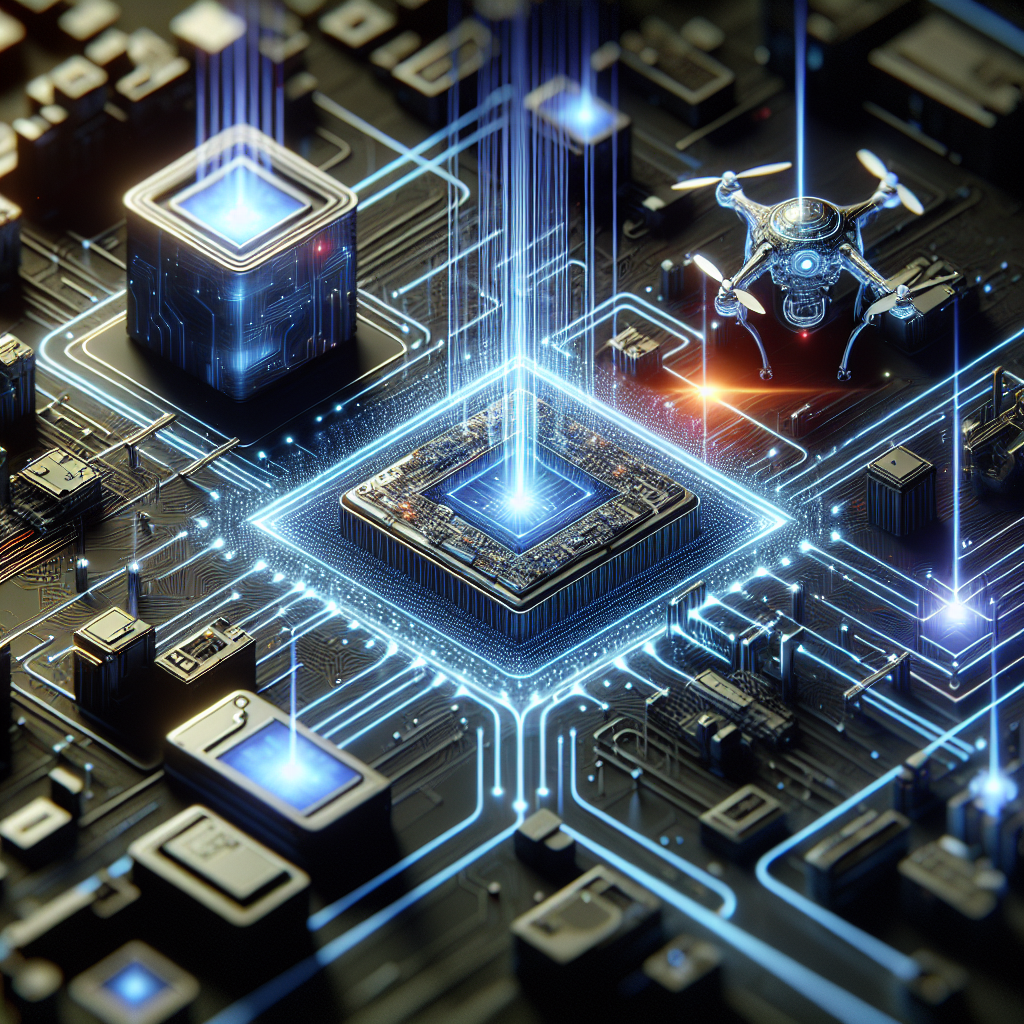
As technology permeates deeper into daily life, the need for smarter, faster, and more independent devices continues to grow. Edge AI or edge computing in artificial intelligence is swiftly moving to the forefront, especially in its ability to run AI models on low-power devices directly where data is collected—commonly referred to as the edge. This capability not only improves the responsiveness of AI applications but also ensures privacy and reduces bandwidth issues associated with sending data back to a central server.
Why Focus on Low-Power Devices?
The landscape of IoT and smart devices, from wearables to smart home products, commonly operates on limited battery power. These devices need to process data and make decisions locally to maintain efficiency, responsiveness, and functionality. Running AI models directly on these devices without needing to constantly communicate with a central server drastically reduces latency and energy consumption, which is crucial for battery-operated devices.
Challenges of Implementing AI at the Edge
Implementing AI on such devices isn't without its challenges:
1. Resource Limitations:
Low-power devices often have less processing power and memory. Running complex AI models, which typically require substantial computational resources, is a significant challenge.
2. Model Optimization:
AI models need to be significantly optimized for edge deployment. Techniques like model pruning, quantization, and knowledge distillation help reduce the size of the models while maintaining accuracy.
3. Security Concerns:
With data being processed locally, each device potentially becomes a target for attacks. Implementing robust security measures that don’t excessively drain resources is key.
4. Intermittent Connectivity:
These devices might not always be connected to a network. AI models hence need to function independently and handle data synchronization effectively once the connection is restored.
Current Technologies and Future Prospects
With advancements in hardware and software, the capability of low-power devices to run AI models is rapidly evolving. Technologies like TensorFlow Lite and PyTorch Mobile are leading the way in enabling AI capabilities on edge devices.
Looking ahead, the convergence of AI and other cutting-edge technologies like 5G and advanced neural network architectures promises even greater enhancements in edge computing. These advancements not only aim at increasing the cognitive capabilities of IoT devices but also in reducing their energy consumption, making them smarter and more sustainable.
FAQ
Q: What is Edge AI? A: Edge AI refers to artificial intelligence systems that process data at the point of data generation (the edge) rather than transmitting it back to a central server or cloud.
Q: How does running AI on low-power devices benefit users? A: This approach enhances privacy, reduces latency, and decreases bandwidth and energy usage, leading to more efficient and responsive applications.
Q: What are some techniques used to optimize AI models for low-power devices? A: Techniques include model pruning, quantization, converting floating point operations to fixed point operations, and deploying smaller, more efficient neural networks.
Further Reading
- Advanced TypeScript Patterns for 2026
- Artificial Intelligence in Healthcare
- Building Resilient Distributed Systems
- Understanding GT06 Protocol
- Quantum Machine Learning Explained