Quantum Machine Learning Explained
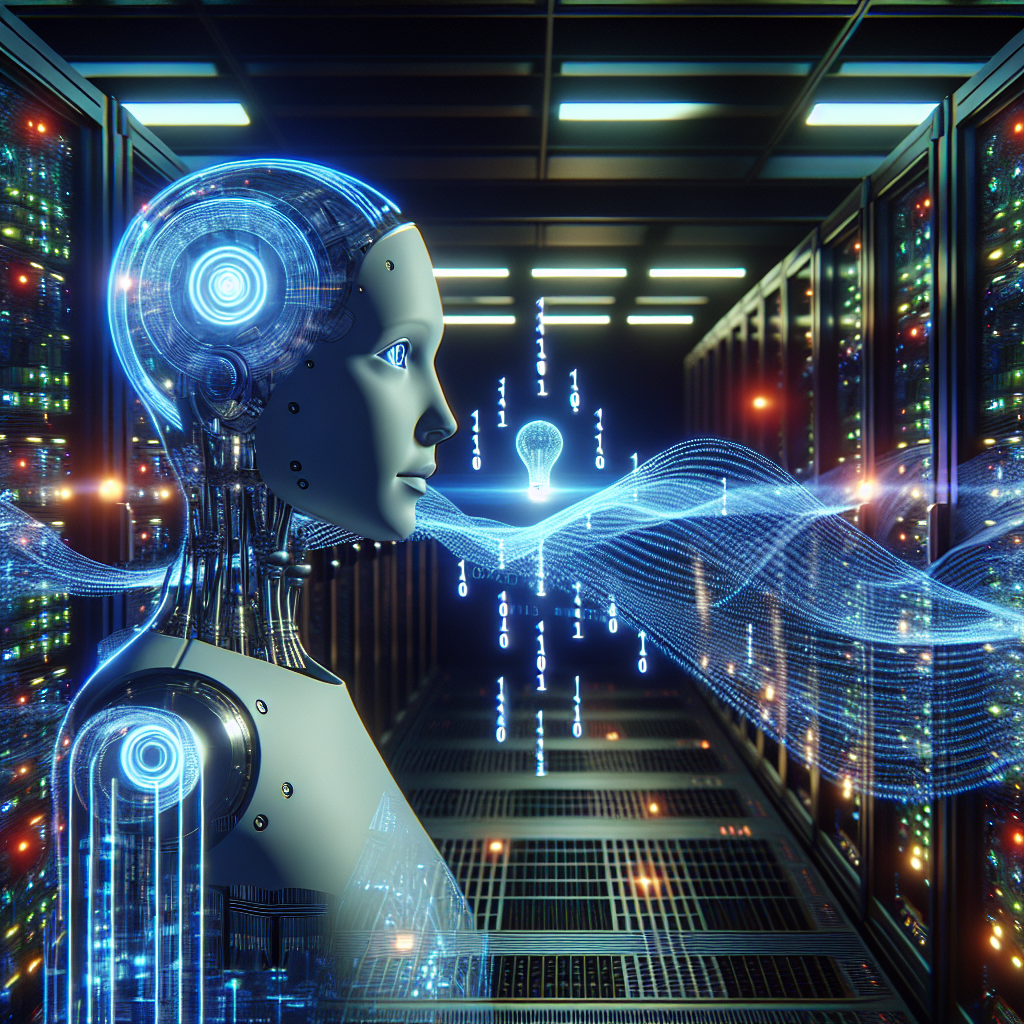
Quantum Machine Learning (QML) merges two of the most advanced technologies: quantum computing and machine learning. As classical computing begins to reach its physical limits, quantum computing brings immense processing power that could potentially revolutionize multiple sectors including finance, pharmaceuticals, automotive industries, and more. This article explores what Quantum Machine Learning is, how it works, and its potential implications for the future.
What is Quantum Machine Learning?
Quantum Machine Learning is an emerging field that combines the principles of quantum physics with algorithms for machine learning. The primary focus of QML is to use quantum computing to improve or accelerate machine learning tasks, which in classical computing are sometimes computationally intensive or infeasible due to hardware limitations.
How Does Quantum Machine Learning Work?
QML algorithms typically operate using a different computation model known as quantum bits or qubits. Unlike classical bits, which hold a single binary value of 0 or 1, qubits can exist in multiple states simultaneously through a phenomenon called superposition. Additionally, qubits can be entangled, a unique property where the state of one qubit can be directly associated with the state of another no matter the distance between them. These properties allow quantum computers to process vast amounts of possibilities simultaneously.
The Applications of Quantum Machine Learning
Enhanced Data Analysis
With their ability to perform complex calculations rapidly, quantum computers can analyze large datasets much faster than traditional computers. This capability can significantly accelerate tasks like pattern recognition, anomaly detection, and predictive analytics.
Drug Discovery
In pharmaceuticals, QML can speed up the process of drug discovery by simulating the properties of complex molecules, predicting the outcomes of chemical reactions, or optimizing medicinal formulas.
Financial Modeling
Quantum machines have the potential to revolutionize financial industries by calculating and predicting financial risk at a speed and accuracy far superior to classical computers.
Cybersecurity
Quantum algorithms can potentially crack many of today's encryption techniques, though they also pave the way for quantum cryptography, which could offer unprecedented security levels.
Challenges and Considerations
The adaptation of QML comes with its own set of challenges. Quantum computers, suitable for machine learning applications, are still in their nascent stages of development. Achieving reliable and scalable quantum computers that can perform broad commercial tasks consistently is one of the biggest hurdles at present.
Conclusion
Quantum Machine Learning offers a promising future and could be one of the driving forces for the next big leap in technological advancements. However, much research and development are still required to overcome several practical and theoretical challenges.
FAQ
Q: Is Quantum Machine Learning the same as Artificial Intelligence? A: No, Quantum Machine Learning is a branch of study that uses quantum computing to enhance or create new machine learning techniques. Artificial Intelligence encompasses a broader range of technologies and methods, of which QML is a part.
Q: How far are we from mainstream adoption of Quantum Machine Learning? A: We are possibly several years away from seeing widespread commercial use of quantum computing in machine learning applications, as significant advancements in quantum hardware and algorithms are needed.
Q: Can anyone start learning Quantum Machine Learning? A: Yes, anyone with a base in quantum physics and machine learning can start exploring Quantum Machine Learning. However, the learning curve might be steep due to the complex nature of quantum mechanics.