Revolutionizing Healthcare: The Impact of Artificial Intelligence
Introduction
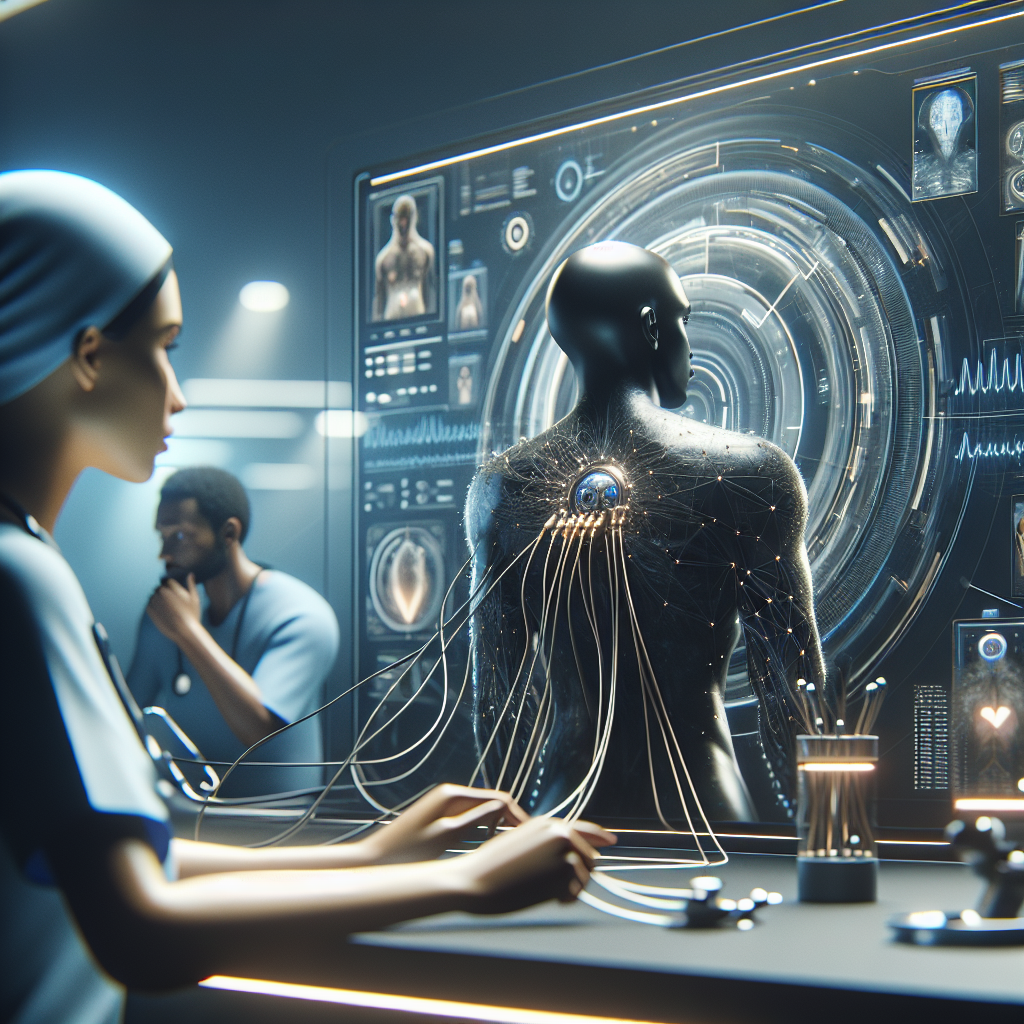
The integration of Artificial Intelligence (AI) into the healthcare sector marks a pivotal shift in how medical professionals diagnose, treat, and manage diseases. With its unparalleled ability to quickly process and analyze vast amounts of data, AI is enhancing the efficacy, speed, and accessibility of healthcare services. This article delves into the various ways AI is reshaping the medical landscape, spotlighting both the innovations and challenges it brings.
Harnessing AI for Improved Diagnostics
Advanced Imaging Analysis
AI-powered tools are revolutionizing diagnostic imaging by enhancing the accuracy and efficiency of interpreting X-rays, CT scans, and MRI results. These systems use sophisticated algorithms to detect anomalies that are sometimes subtle or overlooked in manual examinations. As a result, early detection of conditions such as cancer and cardiovascular diseases is becoming more feasible, potentially saving lives with timely intervention.
Predictive Analytics
AI systems are capable of predicting disease outbreaks and patient admissions by analyzing patterns and trends across healthcare data. Hospitals and clinics use these insights to better allocate resources and prepare for future demands, thus optimizing healthcare delivery and improving patient care.
Personalized Medicine and Treatment
Tailored Treatment Plans
AI's data-driving capabilities are not just about diagnosis; they also extend to personalized treatment. By analyzing a patient's genetic makeup, past medical history, and even lifestyle choices, AI can assist doctors in crafting treatment plans that are uniquely suited to each individual's health needs.
Drug Development
AI algorithms accelerate the drug discovery process by simulating and validating the efficacy of potential drugs. This not only speeds up the development of effective treatment but also reduces the costs and resources traditionally associated with pharmaceutical research.
Enhancing Patient Management and Care
Robot-Assisted Surgery
Surgeons are now using robotic systems integrated with AI to perform precise and minimally invasive surgeries. These robots can stabilize surgical instruments and refine movements to minimize the risk of post-operative complications, enhance recovery times, and improve surgical outcomes.
Virtual Health Assistants
AI-driven virtual assistants are providing continual support and interaction with patients. They offer medication reminders, monitor health status, and can even alert healthcare professionals in emergencies, enhancing the overall quality of care and patient independence.
Ethical Considerations and Challenges
While AI's potential in healthcare is immense, it also comes with a set of ethical and practical challenges. Issues around privacy, data security, and the potential for bias in AI algorithms are significant concerns that need addressing. Ensuring transparency in how AI systems make decisions is essential to build trust among patients and practitioners alike.
Conclusion
The integration of artificial intelligence into healthcare is more than just a technological revolution; it's a promise of enhanced efficiency, accuracy, and personalized care that could redefine medical practices. As AI continues to evolve, ongoing research, ethical governance, and cross-sector collaboration will be crucial to fully realize its potential in transforming healthcare for the better. Embracing AI with cautious optimism could well be the key to unlocking futuristic advancements in medicine.