Generative UI: AI-Driven Interfaces Transforming User Experiences
Introduction
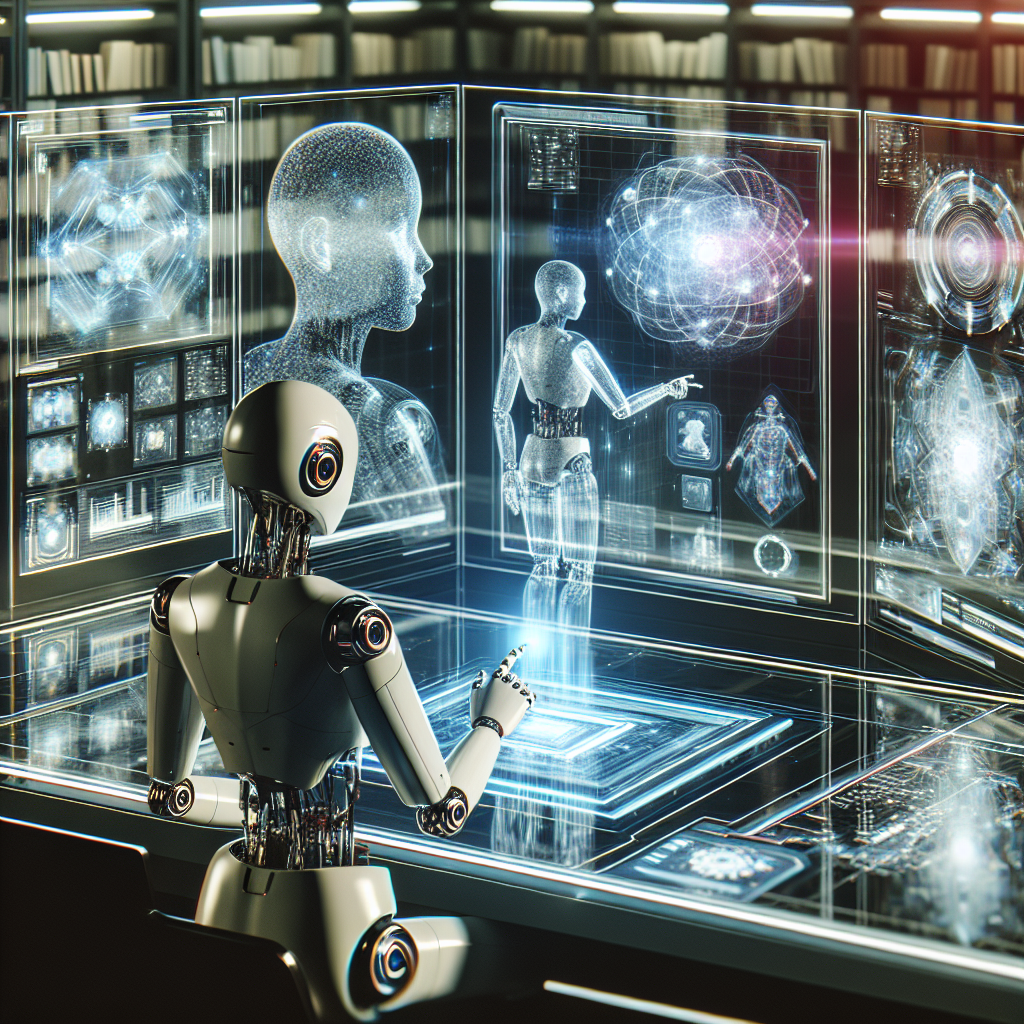
In the evolving landscape of user interface (UI) design, artificial intelligence (AI) has begun to play a pivotal role. Generative UI represents a significant shift away from static, predetermined interfaces toward dynamic, contextually-aware systems designed by AI. This technology not only enhances the user experience but also offers developers and designers new tools to create more effective and personalized interfaces.
What is Generative UI?
Generative UI refers to interfaces that are dynamically generated by AI algorithms based on the user's data, preferences, and context. Unlike traditional UIs, which require human designers to anticipate user needs and design elements accordingly, generative UIs use machine learning to adapt in real-time, offering a tailored experience to each user.
How AI Drives Generative UI
AI-driven generative UI relies heavily on technologies such as machine learning, natural language processing, and predictive analytics. Here’s how AI turns the gears behind the scenes:
Machine Learning
By analyzing huge datasets, machine learning algorithms can predict user preferences and behaviors, allowing the interface to adjust dynamically. For instance, a music streaming service might change its interface layout and recommendations according to the user's current mood or discovered preferences.
Natural Language Processing (NLP)
NLP enables a UI to understand and interpret human language, allowing for richer, more natural user interactions. In an AI-driven shopping assistant, for instance, the NLP capabilities might help the system understand spoken or typed queries to generate a more responsive and interactive interface.
Predictive Analytics
This involves using data, statistical algorithms, and machine learning techniques to identify the likelihood of future outcomes based on historical data. In the context of UI, this could mean predicting what services or products a user might look for next, and rearranging the interface to streamline their interaction.
Benefits of Generative UI
Generative UI holds the promise of revolutionizing user experience by making it more personalized and efficient. Here are some of its primary benefits:
- Enhanced Personalization: Adaptive interfaces can cater to individual user needs, potentially increasing engagement and satisfaction.
- Efficiency and Productivity: Interfaces that anticipate user actions can reduce the number of interactions needed to achieve goals, streamlining user tasks.
- Accessibility: AI can adjust UI elements to better suit users with disabilities, enhancing accessibility without necessitating multiple design versions.
Use Cases
- E-Commerce: Personalized shopping experiences where the interface adjusts to highlight products based on the user’s past shopping behavior, current trends, and probable preferences.
- Healthcare: Adaptive patient interfaces that display information based on recent interactions, medical history, and urgency.
Challenges
While generative UI introduces many advantages, it also presents challenges such as the need for high-quality datasets, the potential for bias in machine learning models, and privacy concerns regarding the data used to train these AI systems.
FAQ
Q: How does generative UI differ from standard UI? A: Unlike standard UIs that are static and need to be manually updated, generative UIs are dynamic and evolve based on user behavior and preferences using AI.
Q: What skills are required to develop a generative UI? A: Skills in machine learning, data science, UI/UX design, and knowledge of natural language processing are crucial.
Q: Can generative UI improve user engagement? A: Yes, by providing personalized and adaptive experiences that resonate more closely with individual users, generative UI can potentially increase user engagement.
Q: Are there ethical concerns associated with generative UI? A: Yes, concerns include potential data privacy issues and the transparency of AI decisions, which might affect how users interact with the system.
Further Reading
- Ethical AI Governance and Compliance
- Advanced TypeScript Patterns for 2026
- The Future of Open Source AI Models
By understanding and integrating generative UI principles, developers and designers can significantly alter not only how interfaces are developed but also how users interact with digital environments, leading to more intuitive and engaging experiences.