The Future of Renewable Energy: Innovations and Trends Shaping Our World
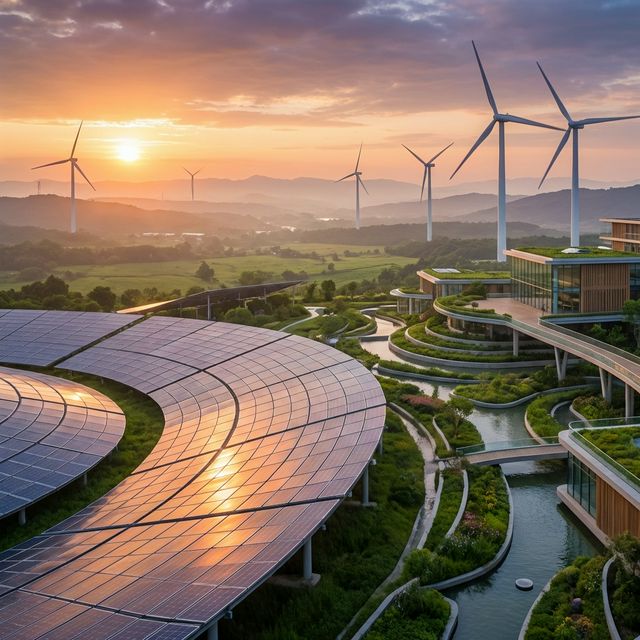
The global energy landscape is experiencing a seismic shift, with renewable energy at the forefront of pioneering a sustainable future. In recent years, the surge in environmental awareness, coupled with technological advances and policy support, has marked a significant increase in the adoption of renewable energy sources. As we move towards 2026, understanding the future trajectory of renewable energy is essential not only for policymakers and industry leaders but also for individuals worldwide. This article delves into the innovations and trends in renewable energy that are poised to transform how we generate, consume, and think about energy.
Exploring Renewable Energy Sources
Solar Power Innovations
Solar energy has been at the heart of the renewable revolution, thanks to continuous improvements in solar panel efficiency and storage solutions. Leading the charge are photovoltaic (PV) cells that convert sunlight directly into electricity. Recent advancements include the development of perovskite solar cells, which offer higher efficiency rates and lower manufacturing costs than traditional silicon-based cells. Moreover, the integration of solar technology into building materials, known as Building-Integrated Photovoltaics (BIPV), is expected to accelerate the deployment of solar energy in urban settings.
Wind Energy Developments
Wind energy, another cornerstone of renewable sources, is experiencing revolutionary changes with the design and installation of taller and more powerful turbines. Offshore wind farms, in particular, are becoming increasingly prevalent due to their minimal land use and higher wind speeds. The future also holds potential for floating wind turbines, which could unlock energy generation in deeper waters, further expanding the geographical possibilities for wind energy exploitation.
Emerging Technologies
Beyond solar and wind, several emerging technologies are set to play crucial roles in the renewable landscape:
-
Hydrogen Fuel: Hydrogen is gaining attention as a clean alternative to fossil fuels. Green hydrogen, produced by water electrolysis using renewable electricity, is especially promising for decarbonizing sectors like heavy industry and transportation.
-
Wave and Tidal Energy: Although in nascent stages, wave and tidal energy are attracting interest for their potential to provide stable, abundant power.
-
Geothermal Power: Enhanced geothermal systems (EGS) could allow for broader access to earth's thermal energy, turning geothermal power into a mainstream energy source.
Integration Challenges and Solutions
Grid Modernization
As renewable energy sources, particularly solar and wind, are inherently intermittent, they pose unique challenges to grid stability. Modernizing grid infrastructure is crucial to manage these fluctuations and ensure a steady power supply. This involves developing smart grids that can dynamically balance demand and supply, incorporating energy storage systems, and investing in grid-scale batteries that can store excess energy for later use.
Energy Storage Breakthroughs
Advances in battery technology are pivotal in addressing the intermittency issues associated with renewables. Lithium-ion batteries currently dominate, but alternative technologies like flow batteries, which are ideal for stationary storage, and solid-state batteries, which offer higher energy densities, are under intensive development.
Policy and Market Trends
Government Policies
The role of government policy in shaping the future of renewable energy cannot be understated. Subsidies, incentives, and regulations designed to promote renewable energy investments and consumption are key drivers. An increasing number of countries are setting ambitious targets for reducing carbon emissions, which invariably spotlight renewables as a critical component of their energy strategies.
Consumer Adoption and Market Growth
Market trends also reflect a significant shift towards renewable energy adoption, not only at an industrial or municipal level but also domestically. The decreasing cost of technologies like home solar panels and residential wind turbines is empowering individuals to participate in the energy transition, further spurring the growth of renewables.
Conclusion
The future of renewable energy is bright, filled with innovative technologies and solutions poised to tackle today's energy challenges. As the sector continues to evolve, it will not only lead to cleaner and more efficient energy production but will also play a pivotal role in achieving global sustainability goals. Staying informed and engaged with these trends is essential for anyone looking to understand and contribute to the energy landscape of tomorrow.