Climate Tech: Leveraging Software Solutions for Sustainability
Introduction
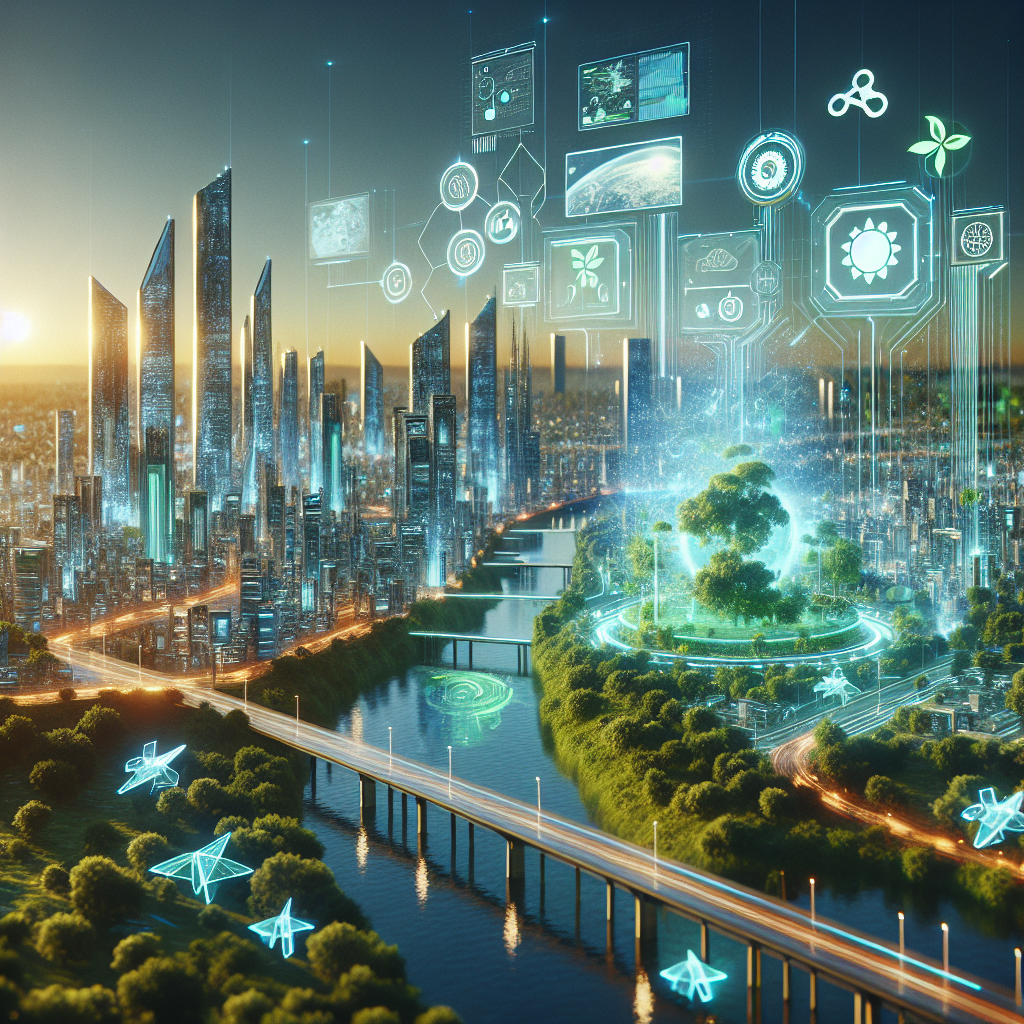
The urgency of addressing climate change has never been greater, and technology, specifically software solutions, are playing a pivotal role in this battle. Leveraging climate tech software provides a practical path to significantly reduce carbon footprints and enhance sustainability. This article delves into the dynamic role software solutions occupy in the realm of sustainability, focusing on innovations that can drive significant environmental impacts.
Key Takeaways
- Understand the role of software in climate technology.
- Explore key software solutions contributing to sustainability.
- Identify challenges and future trends in climate tech.
The Role of Software in Sustainability
Overview
Software in climate tech manifests in various forms, ranging from data analytics to automation and control systems. It addresses a plethora of environmental challenges by optimizing resource use, reducing waste, and enhancing energy efficiency across multiple sectors including agriculture, energy, and manufacturing.
Key Technologies
- IoT and Sensor Technology: Integration of IoT devices for real-time monitoring and management of resources.
- Big Data Analytics: Utilizing large datasets to predict patterns and optimize processes.
- AI & Machine Learning: AI algorithms forecast environmental impacts and automate complex decision-making processes.
| Technology | Application |
|---|---|
| IoT | Resource management |
| Big Data | Environmental predictions |
| AI | Decision automation |
Case Study: Smart Grid Technology
Description
Smart grids employ advanced software to sustainably manage energy flow in electrical grids. They reduce energy consumption and CO2 emissions by enabling real-time data processing and demand-response management.
Impact
- Reduced Operational Costs: Optimization leads to less fuel usage and maintenance.
- Enhanced Renewable Integration: Easier management of intermittent renewable energy sources.
interface SmartGrid {
  optimizeEnergyUse(): void;
  integrateRenewableSources(): void;
}
This code snippet illustrates how software functions can help manage and optimize energy in smart grids.
Challenges in Climate Tech Software
Scalability
Scaling software solutions globally poses significant challenges, from adapting to different regulatory environments to managing diverse data from multiple geographical locations.
Data Privacy and Security
Ensuring the privacy and security of the data collected, especially with solutions involving large-scale sensor networks and IoT devices, is critical.
The Future of Climate Tech Software
Looking ahead, advancements in AI, edge computing, and bioinformatics are expected to drive more robust and effective solutions. Additionally, decentralized technologies like blockchain could play a key role in transparency and traceability in emissions management.
FAQ
-
What is climate tech software? Climate tech software comprises digital tools and systems designed to mitigate environmental impacts and promote sustainability.
-
How does AI contribute to sustainability? AI analyzes vast amounts of environmental data to predict trends and automate eco-friendly practices.
-
Are these software solutions cost-effective? Initial investments may be high, but long-term savings and environmental benefits often justify the costs.
Further Reading
- Accessibility First Building Inclusive Web Apps
- Advanced Typescript Patterns For 2026
- Api Gateway Patterns And Best Practices
- Artificial Intelligence In Healthcare
- Augmented Reality Ar On The Web Webxr
- Biometric Authentication In Web Applications
- Blockchain Interoperability And Cross Chain Bridges
- Building High Performance Apis With Grpc
- Building Resilient Distributed Systems
- Building Scalable Notification Systems
- Building Small Tools
- Chaos Engineering Testing System Resilience
- Comprehensive Guide To Rag
- Container Security Best Practices
- Cybersecurity Trends Ai Powered Threat Detection
- Data Mesh Decentralizing Data Architecture
- Deep Learning On The Browser With Tensorflowjs
- Devsecops Integrating Security Into Cicd
- Digital Twins In Industrial Iot
- Docker Compose Vs Dockerfile
- Docker Intro
- Edge Ai Running Models On Low Power Devices
- Ethical Ai Governance And Compliance
- Event Driven Architecture With Apache Kafka
- Finops Managing Cloud Costs Effectively
- Generative Ai For Creative Workflows
- Generative Ui Ai Driven Interfaces
- Gitops Managing Infrastructure Via Git
- Go Vs Rust Choosing The Right System Language In 2026
- Graph Neural Networks Gnns In Practice
- Graphql Federation Scaling Your Api Layer
- Handling Distributed Transactions In Microservices
- Image Conversion Guide
- Implementing Rag Retrieval Augmented Generation At Scale
- Introduction To Ebpf For Observability
- Introduction To Rust Programming
- Jwt Authentication Guide
- Layout.tsx
- Linear Regression Guide
- Low Codeno Code For Pro Developers
- Machine Learning Operations Mlops Maturity Model
- Mastering Kubernetes Operators For Custom Automation
- Micro Frontends Pros And Cons
- Mobile First Design In The Age Of Foldables
- Natural Language Processing Nlp For Developers
- Neuromorphic Computing What Developers Should Know
- Next Gen Frontend React 19 And Beyond
- Nuxt Vs Next
- Oauth Guide
- Optimizing Nextjs For Performance
- Page.tsx
- Platform Engineering Vs Devops
- Post Quantum Cryptography Preparing For The Future
- Privacy Preserving Tech Homomorphic Encryption
- Progressive Web Apps Pwa In 2026
- Prompt Engineering As A Core Developer Skill
- Prompt Engineering Guide
- Quantum Machine Learning Explained
- Real Time Data Processing With Flink
- Refactoring Legacy Monoliths To Microservices
- Rust For Web Developers
- Secure Coding Best Practices For Ai Generated Code
- Self Hosting Vs Managed Services A Cost Benefit Analysis
- Server Side Rendering Ssr Vs Static Site Generation Ssg In 2026
- Serverless Database Architecture
- Sustainable Software Engineering Green Coding
- Testing Strategies For Microservices Architecture
- The Ethics Of Autonomous Systems
- The Evolution Of Serverless Computing In 2026
- The Future Of Database Technology Newsql Vs Nosql
- The Future Of Open Source Ai Models
- The Future Of Renewable Energy
- The Impact Of 6g On Mobile Development
- The Resurgence Of Functional Programming
- The Role Of Developer Experience Dx In Engineering Culture
- The Semantics Of Semantic Search
- The State Of Web3 In 2026 Beyond The Hype
- Understanding Csv Analysis
- Understanding Deno 20 Is It Time To Switch
- Understanding Gt06 Protocol
- Understanding Json
- Understanding Jwt
- Understanding Vector Databases
- Using Ai For Automated Code Reviews
- Vibe Coding
- Vibe Coding Tools Comparison
- Virtual Reality Vr Development With Unity Vs Unreal
- Webassembly For Server Side Logic
- Webassembly Wasm Beyond The Browser
- Yaml Vs Json
- Zero Trust Architecture A Practical Guide