AI in Natural Language Processing: Building Smarter Communication Interfaces
Introduction
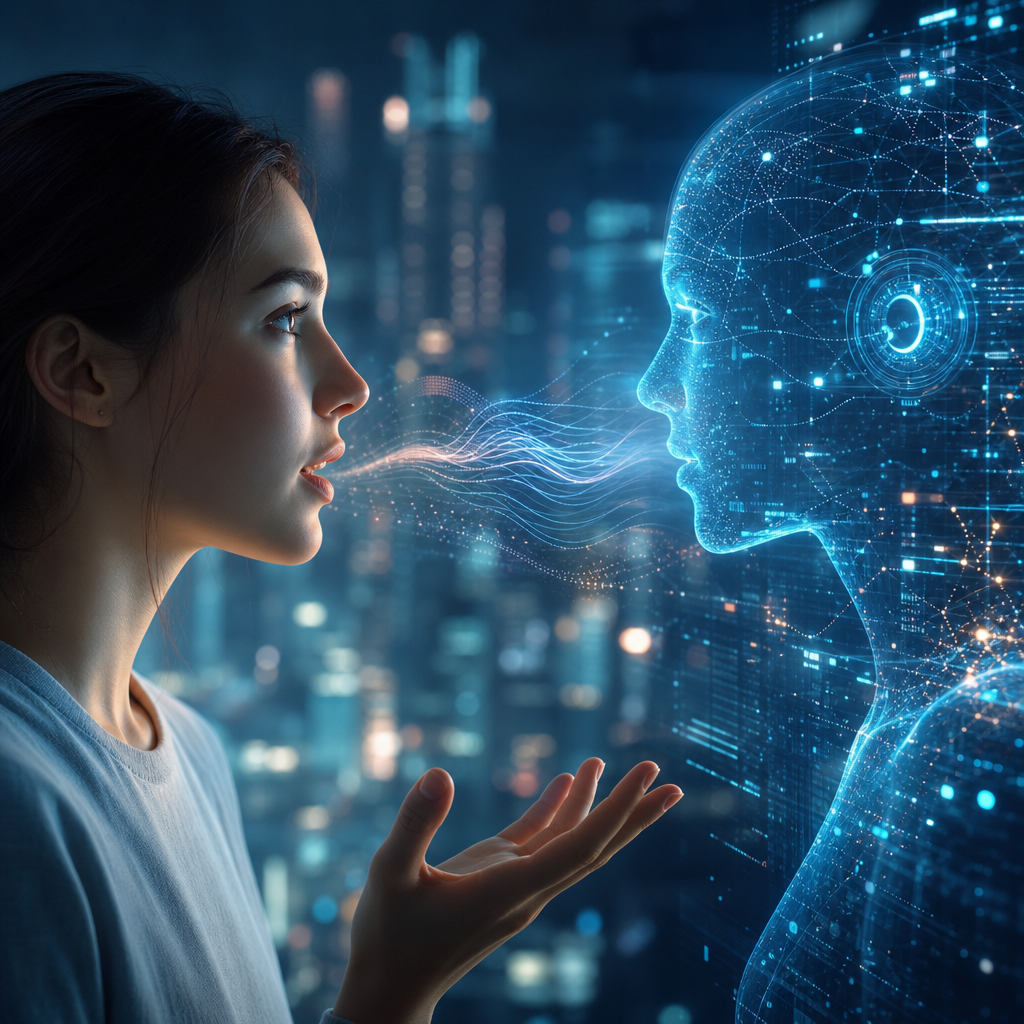
Artificial Intelligence (AI) has drastically transformed the landscape of communication through Natural Language Processing (NLP). This technology not only enhances how machines understand human language but also revolutionizes interaction within digital platforms. In this article, we'll delve into the mechanisms whereby AI contributes to NLP advancements and the ramifications for future communication systems.
Key Takeaways
- Understanding AI's Role in NLP: How AI technologies like machine learning and deep learning refine NLP tasks.
- Impact on User Interfaces: Examining the enhancement of chatbots and virtual assistants.
- Future Trends in AI and NLP: What to expect as these technologies continue to evolve.
AI's Integration with Natural Language Processing
The Basic Components of NLP
NLP consists of several components that process human language:
| Component | Description |
|---|---|
| Syntax | Analyzes grammatical structure. |
| Semantics | Interprets meanings. |
| Pragmatics | Understands context and usage. |
How AI Enhances NLP
AI leverages complex models and algorithms to enhance each component of NLP:
import nltk

def analyze_text(text):
    tokens = nltk.word_tokenize(text)
    syntax = nltk.pos_tag(tokens)
    return nltk.ne_chunk(syntax)
This function demonstrates basic syntactical parsing which AI enhances by integrating contextual and semantic analysis at a more granular level.
Use Case: Smarter Chatbots
Chatbots powered by AI and NLP can understand and respond to queries more contextually. This results in more natural and enjoyable user interactions, crucial for customer support scenarios in various sectors including banking, retail, and healthcare.
Future Directions
AI-driven NLP is venturing into more complex realms like emotion recognition and predictive typing, enhancing human-machine interaction further.
FAQ
-
What is NLP in AI?
- NLP stands for Natural Language Processing and involves machines processing and understanding human language.
-
How does AI enhance traditional NLP?
- AI introduces machine learning models that improve context recognition, intent visualization, and conversational nuances.
-
Can AI replace human interactions completely?
- AI aims to augment rather than replace human interactions, enhancing communication capabilities and efficiency.
Further Reading
- Accessibility First Building Inclusive Web Apps
- Advanced Typescript Patterns For 2026
- Ai Driven Personalized User Experiences The Next Frontier In Consumer Software
- Ai Ethics And Compliance Navigating New Challenges In Software Development
- Ai In Cybersecurity How Machine Learning Is Changing Threat Detection ...and more.