AI-Enhanced Robotic Process Automation: Impact on Manufacturing
Introduction
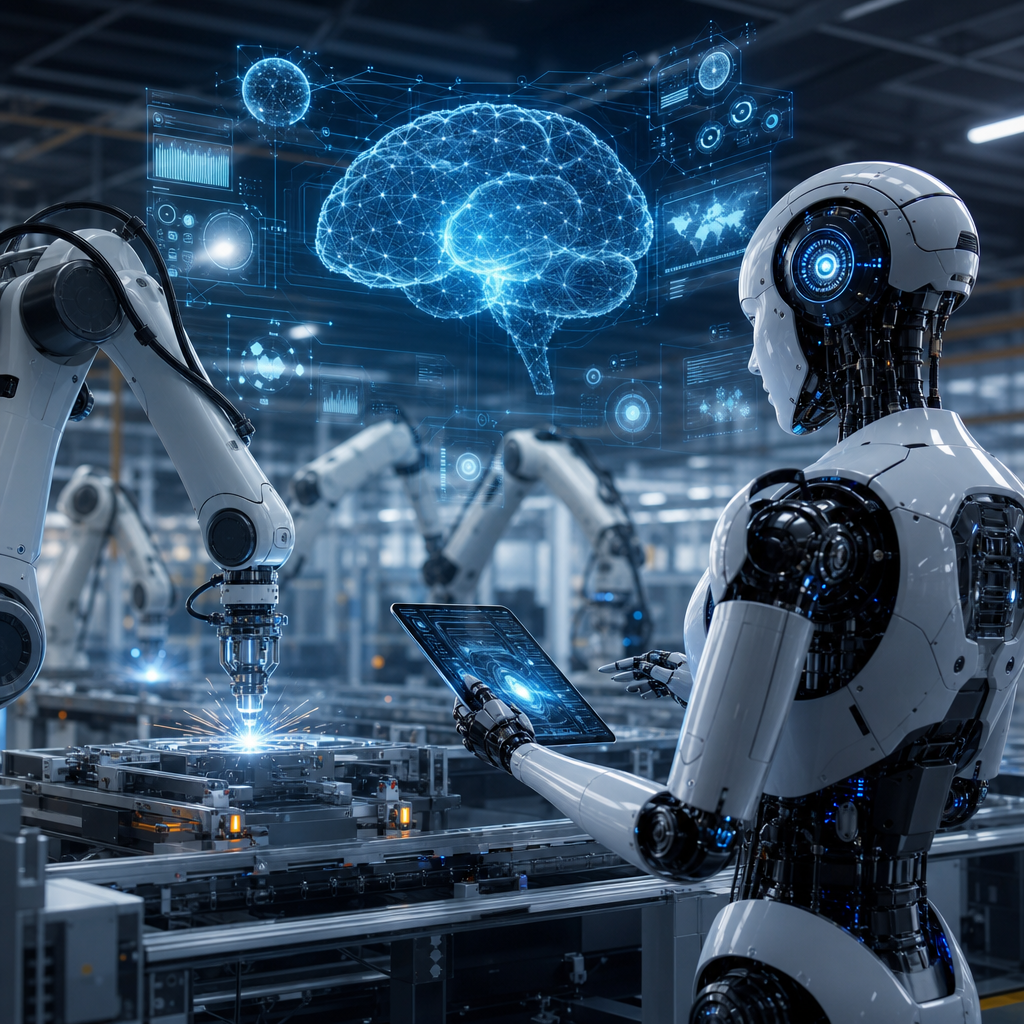
In today's rapidly evolving industrial landscape, AI-enhanced Robotic Process Automation (RPA) is a game changer, especially in the manufacturing sector. This integration of Artificial Intelligence (AI) with conventional RPA tools not only automates mundane tasks but also brings smart decision-making to the table, leading to significant improvements in efficiency, productivity, and innovation.
Key Takeaways
- Increased Efficiency: AI-driven RPA systems optimize operations to reduce wastage and enhance speed.
- Enhanced Accuracy: AI algorithms learn and adapt, reducing errors over time.
- Scalability: Systems can be scaled based on demand without the need for significant additional costs.
- Improved Compliance: Automated systems maintain precise records and adhere to regulatory standards.
Understanding AI-Enhanced RPA
The Basics of RPA
Robotic Process Automation traditionally automates routine tasks using fixed rules and structured data. It operates on a set of predefined actions to process transactions, manipulate data, and communicate with other digital systems.
The Role of AI in RPA
Integrating AI transforms RPA systems into more dynamic tools. AI brings capabilities like machine learning, natural language processing, and automatic pattern recognition. This allows RPA bots not only to perform tasks but to understand and improve them over iterations.
Real-World Applications in Manufacturing
Manufacturing processes can significantly benefit from AI-enhanced RPA through the automation of inventory management, quality control, compliance auditing, and even predicting machine maintenance needs. Here is a practical example:
# Example: AI-enhanced RPA in predictive maintenance
import predictiveMaintenanceModel

# Monitor machine performance
data = sensor_api.collect_machine_data()
prediction = predictiveMaintenanceModel.predict_failure(data)

if prediction > threshold:
    maintenance_scheduler.schedule_maintenance(machine_id)
This code snippet showcases how an AI-enhanced RPA system can predict machine failure and schedule maintenance, thus avoiding unexpected downtimes and production halts.
Impact on Manufacturing Efficiency
AI-enhanced RPA systems streamline operations across various phases of the manufacturing process:
| Process Stage | Impact of AI-enhanced RPA |
|---|---|
| Production Planning | Optimized scheduling reduces bottlenecks. |
| Inventory Management | Just-in-time inventory practices reduce carrying costs. |
| Quality Assurance | Automated checks improve product quality and consistency. |
| Compliance and Reporting | Real-time documentation ensures regulatory compliance. |
Strategic Benefits
The integration of AI into RPA enables manufacturers to not only keep up with production demands but also to innovate and improve their operations dynamically. The data-driven insights provided by AI create opportunities for continuous improvement and competitive advantage.
FAQ
Q: How does AI enhance the capabilities of traditional RPA? A: AI adds learning and adaptation functionalities to RPA, enabling it to handle complex tasks that require decision-making and pattern recognition.
Q: Can AI-enhanced RPA systems integrate with existing IT infrastructures? A: Yes, these systems are designed to be compatible with existing IT setups and can be customized based on specific technological environments.
Q: What are the limitations of AI-enhanced RPA? A: Initial setup and training costs, maintaining data privacy and security, and the need for ongoing monitoring and management are some challenges.
Q: How does AI-enhanced RPA improve compliance? A: It automates record-keeping and reporting, ensuring accuracy and adherence to regulatory requirements.